Why Marvel Broke Its Own Casting Rule to Make Chris Evans Captain America
On The First Avenger's 15th anniversary, casting director Sarah Halley Finn has explained why Evans' earlier Human Torch role nearly kept him away from Steve Rogers.
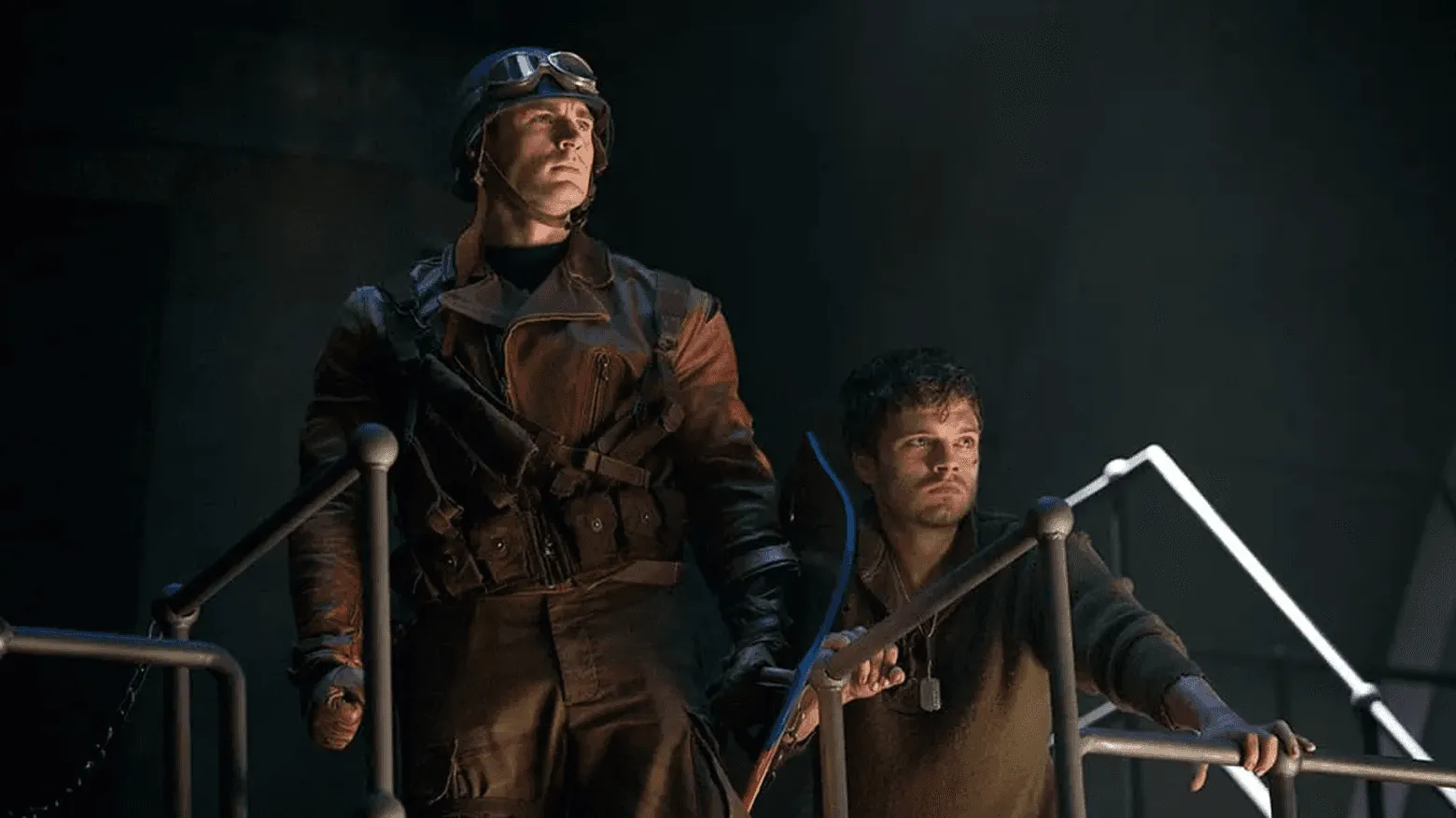
Chris Evans now feels inseparable from Steve Rogers, but Marvel initially treated him as unavailable for Captain America: The First Avenger. In a new 15th-anniversary retrospective, longtime MCU casting director Sarah Halley Finn explains that Evans' previous role as Johnny Storm in two Fantastic Four films created an informal barrier before the search even began.
The studio tested many actors while looking for someone who could lead one movie and help carry an expanding franchise. When the screen tests failed to produce the right combination of strength, humility and moral certainty, Finn asked the question that changed the MCU: why not Chris Evans?
What Marvel wanted from Steve Rogers
The casting brief went beyond looking athletic or matching a comic-book silhouette. Finn's team wanted an American actor who could communicate nobility, reliability, bravery and a clear moral center. Those qualities had to be convincing before Steve received the super-soldier serum, because the movie's central idea is that the experiment magnifies the person he already is.
That made the role unusually difficult. Tony Stark can announce himself through wit and swagger, but Steve Rogers has to make sincerity compelling. The wrong performance could turn his decency into stiffness or make Captain America feel like a symbol without a recognizable person inside it.
Evans had already shown comedy, confidence and physical presence as the Human Torch. Finn saw a more useful quality underneath those performances: a grounded humility that could make both the vulnerable recruit and the larger-than-life hero feel like the same man.
Why Chris Evans was almost ruled out
Before the MCU normalized variants and actors playing multiple comic-book roles, recasting a former Marvel lead felt risky. Evans had played Johnny Storm in Fantastic Four and Fantastic Four: Rise of the Silver Surfer, so the Captain America team initially acted as if returning to him would break a rule.
The rule weakened as the search continued. Finn raised Evans' name in a meeting, the filmmakers reconsidered what he could bring to Steve, and the fact that the team already respected his work made the shift possible. Instead of treating the Human Torch films as a disqualification, Marvel began to see Evans' experience as evidence that he could handle the scale of the job.
The story now feels especially relevant as Marvel leans into multiverse casting. Evans can return as Steve Rogers in Avengers: Doomsday while his former Fantastic Four co-star is part of Marvel history, and Robert Downey Jr. can move from Tony Stark to Doctor Doom. The old rule did not just bend; the MCU eventually grew beyond it.
Evans' hesitation became part of the answer
Evans did not immediately accept the shield. Finn says the actor was wary of the responsibility, attention and long-term commitment attached to the role. Paradoxically, that reluctance strengthened Marvel's belief that he was right for Steve.
Captain America is powerful because he does not chase power. Evans' concern about celebrity reflected the humility the filmmakers needed on screen. The studio was not only casting a physique or a recognizable face; it was asking an actor to become the moral center of a franchise that had not yet proved an Avengers crossover could work.
That choice paid off across The First Avenger, The Avengers, The Winter Soldier, Civil War, Infinity War and Endgame. Evans could play Steve as an idealist without making him naïve, and later films were able to challenge his trust in institutions without abandoning the values that defined him.
Sebastian Stan originally read for Captain America
Finn's retrospective also shows how one casting search shaped several characters. Sebastian Stan initially read for Steve Rogers, and the team was impressed by him, but they detected a darker and more melancholic quality that did not fit their version of Captain America.
That quality made Stan a stronger Bucky Barnes. The decision became crucial once The Winter Soldier turned Bucky's loss and damaged identity into the emotional center of Steve's modern-day story. Hayley Atwell, Stanley Tucci and Tommy Lee Jones were assembled around Evans to give The First Avenger both its romance and its sense of wartime history.
Fifteen years later, the casting remains foundational to Avengers: Doomsday. Marvel has confirmed that Evans will appear again as Steve Rogers when the film opens on December 18, 2026. The exact circumstances of that return are still a mystery, but the anniversary story explains why Marvel continues to build major events around the actor it once considered off-limits.
Sources
Frequently asked questions
Why was Chris Evans almost not cast as Captain America?
Marvel initially considered Evans off-limits because he had already played Johnny Storm in the Fantastic Four movies.
Who cast Chris Evans as Steve Rogers?
MCU casting director Sarah Halley Finn led the search and pushed the team to reconsider Evans after other screen tests failed to find the right Steve Rogers.
Did Sebastian Stan audition for Captain America?
Yes. Sebastian Stan read for Steve Rogers before Marvel decided his darker, more melancholic quality made him a better fit for Bucky Barnes.
Is Chris Evans returning in Avengers: Doomsday?
Yes. Marvel has confirmed that Chris Evans will appear as Steve Rogers in Avengers: Doomsday, opening December 18, 2026.
Prepare for Avengers: Doomsday & Secret Wars
Essential graphic novels, Secret Wars omnibus, official encyclopedias and collector figures to get ready for the next Marvel era.

Marvel Legends Doctor Doom 6-inch Action Figure

Secret Wars (Jonathan Hickman & Esad Ribic)

One World Under Doom — Graphic Novel

Marvels: The Remastered Edition

Marvel Encyclopedia (New Revised Edition)
Related coverage
Event News
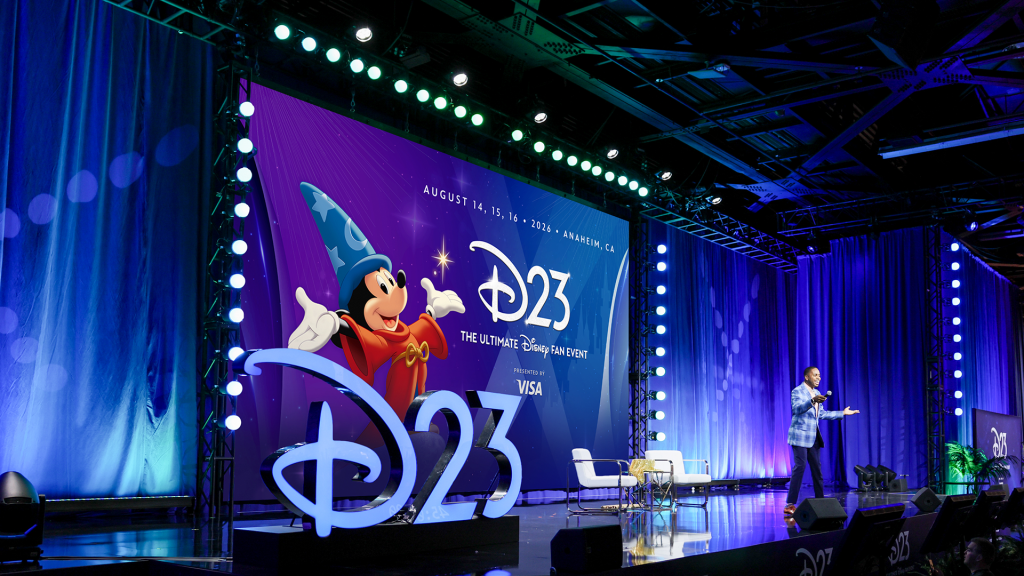
Chris Evans Reunites With Robert Downey Jr. and Hayley Atwell at D23 2026
Chris Evans joined Robert Downey Jr., Hayley Atwell and Kathryn Hahn at D23 2026, creating a set of reunion photos with a clear Avengers: Doomsday connection.

Trailer Analysis
What Doctor Doom's 'Stolen Lives' Warning Could Mean in Avengers: Doomsday
Doctor Doom says the heroes have lived stolen lives in the Avengers: Doomsday Special Look. The montage points toward Endgame choices, inherited roles and multiversal survival.

Trailer Theory
Avengers: Doomsday Fans Think the Trailer's Steve Rogers Moment May Be a Loki Misdirect
After the official Avengers: Doomsday trailer, Reddit theories are reading Steve Rogers, Mjolnir and Thor's reaction as possible signs of a Loki illusion, a Doom trick or a variant twist.